
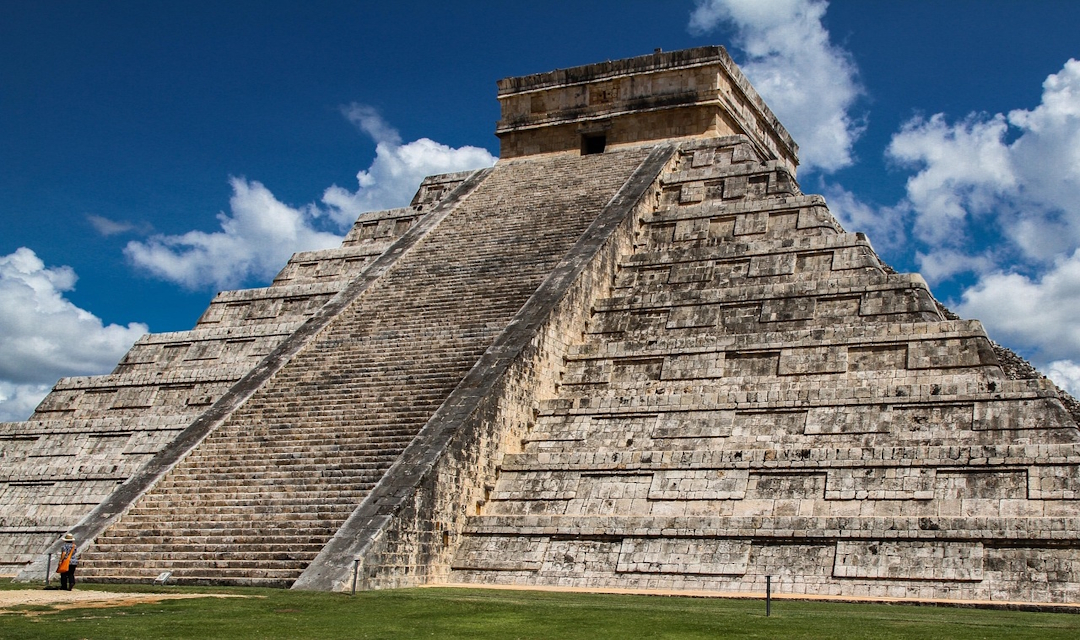
The Aztec civilization, which thrived in central Mexico between the 14th and early 16th centuries, had a system of slavery that was remarkably different from those in other ancient and early modern societies. Unlike the brutal, absolute forms of slavery found in Europe or later in the Americas, Aztec slavery was structured, nuanced, and allowed slaves certain rights and autonomy. Slaves were considered individuals bound by obligation rather than mere property, and their treatment reflected the broader moral, social, and legal values of the Aztec world.
Slavery often arose from economic necessity. Poor families sometimes sold their children into servitude to survive famine or pay debts, and some individuals voluntarily sold themselves for temporary financial relief. In other cases, slaves were prisoners of war, captured during military campaigns. Interestingly, slavery was not automatically hereditary, as children of slaves could sometimes be considered free depending on the legal and social circumstances, highlighting the flexibility of the system.
Aztec slaves enjoyed surprising rights and privileges. They could marry, have children, own property such as land, houses, and personal belongings, and in rare instances, they could own their own slaves. Some documented cases describe slave couples who managed small workshops or markets and eventually bought their freedom after years of careful saving, illustrating the remarkable autonomy that some slaves could achieve. Slaves were also allowed to engage in trade or artisan work independently, which meant their labor could benefit themselves as well as their masters.
The Aztecs had unique and sometimes quirky pathways to freedom that reflected both legal sophistication and cultural ingenuity. One of the most unusual rules allowed a slave who fled their master to gain freedom if they managed to step on human excrement before capture. While it may sound strange, this law had symbolic and practical purposes: it demonstrated cleverness, resourcefulness, and determination—qualities highly valued in Aztec society. Another well-documented path was temple liberation. A slave could travel to a temple and present themselves to priests, who would officially recognize their emancipation. This legal and religious pathway reinforced the integration of spirituality and law in Aztec society. In some cases, slaves could earn freedom through merit—such as performing extraordinary services for their community, saving their master’s household from disaster, or excelling in skilled crafts that brought wealth and prestige. Even clever legal maneuvering, such as negotiating debt repayment through temporary servitude, could lead to eventual liberation.
Crucially, the pursuit of escaped slaves was tightly regulated. Only the master had the legal authority to pursue a runaway. No third party—neighbor, relative, or local official—was allowed to intervene. This rule served multiple purposes: it prevented harassment, protected the rights of the fugitive, and reinforced the master’s exclusive legal responsibility over their slave. Historical accounts note that if anyone else tried to capture or harm a runaway slave, they could face legal penalties. This law emphasized that even in a system of bondage, there were boundaries and protections for individual agency, creating a structured and relatively safe environment for slaves seeking freedom.
Slaves contributed to Aztec society in multiple vital ways. Many worked in agriculture, cultivating maize, beans, chilies, and cotton for both sustenance and tribute. Skilled slaves produced crafts such as featherwork, pottery, and textiles, some of which they could trade independently. Temple service was another avenue for slaves to participate in society—they assisted priests, prepared ritual spaces, and sometimes gained prestige through religious duties. Fascinatingly, some slaves even trained as auxiliary soldiers or acted as messengers for the empire, blurring the line between servitude and civic duty and demonstrating that slaves could occupy diverse and important roles.
Gender also influenced the experience of slavery. Female slaves often managed households, worked in textiles, and raised families, yet retained legal rights to property and trade. Male slaves typically worked in agriculture, construction, or artisan trades. Marriage was legally recognized, and the children of slaves could sometimes be born free depending on the mother’s status. There are accounts of female slaves who became respected healers or midwives, gaining social authority within the household and community—another example of the complex social dynamics of Aztec slavery.
In conclusion, the Aztec system of slavery was complex, organized, and uniquely humane compared to other pre-modern societies. Slaves could participate in economic, religious, and social life, owning property, marrying, and sometimes achieving freedom through cleverness, temple intervention, or meritorious service. The law carefully regulated their treatment, especially in cases of escape, where only the master had authority to pursue them. While still a form of exploitation, the combination of legal protections, social mobility, and unusual pathways to freedom makes Aztec slavery one of the most fascinating and distinctive systems in world history.